From AI Access to AI Capability: What Future-Ready Schools Need
“. Schools must focus on embedding AI into curriculums to enhance critical thinking and human judgement. Educational systems should prepare students for real-world AI applications,...”
Access to AI is no longer the primary issue; developing capability is critical.
Schools must focus on embedding AI into curriculums to enhance critical thinking and human judgement.
Educational systems should prepare students for real-world AI applications, not just tool usage.
Teachers play a crucial role in fostering AI capability in students.
Key Answer
For many connected students and schools, access to AI is becoming easier. The next challenge is capability: ensuring students can use AI critically, responsibly and effectively while continuing to develop their own judgement and human skills.
AI is no longer the mysterious technology it once was. For many connected students and schools, access to AI tools is becoming increasingly easy. But access is not the same as capability. Connectivity, devices, affordability, language and infrastructure still affect who can benefit from AI, while schools that already have access face another challenge: teaching students how to use these tools effectively and responsibly.
This shift can also be seen beyond education. According to the UK Office for National Statistics, reported AI use among UK businesses with 10 or more employees increased from around 12% in late 2023 to around 35% by June 2026. Yet among businesses using AI, only around 10% reported using it extensively. The figures show that increasing access and adoption do not automatically translate into deep or effective use.
The Global Shift in AI Education
n education, the move from access to capability is becoming increasingly important. Having AI tools available in a school does not automatically make that school future-ready. Students also need the skills to understand when AI is useful, question its outputs, verify information and recognise its limitations.
This approach aligns with UNESCO’s AI Competency Framework for Students, which emphasises human agency, ethical AI use, critical judgement and the knowledge required to engage with AI safely and meaningfully.
Managed environments and privacy safeguards are also important parts of AI integration in schools. By protecting student data and ensuring that AI use is age-appropriate, educators can create safer environments for exploration and learning. The goal should be to teach students not just how to use AI, but how to question its outputs, verify sources and develop their own reasoning.
Aspect
Traditional Focus
Modern Focus
Access
Providing AI tools
Developing AI capability
Curriculum
AI as a subject
Responsible AI use across relevant learning
Skills
Basic technical skills
Critical thinking, judgement and AI literacy
Why Capability Is Crucial in AI Education
Capability in AI is about empowerment. It is about giving students and teachers the knowledge and skills they need not just to use AI, but to use it thoughtfully and effectively.
The distinction between access and capability is important. Having an AI tool does not mean someone understands its limitations, knows how to verify its output or can decide when using it is appropriate.
The growth of AI use in UK businesses demonstrates this distinction. The Office for National Statistics reported that AI use among businesses with 10 or more employees rose from around 12% in late 2023 to around 35% in June 2026. However, only 11% of businesses with 10 or more employees reported that more than half of their workforce had received AI-related training.
This gap highlights an important point: access to powerful technology does not automatically create the skills required to use it well. Education systems can play a significant role by helping students develop critical thinking, adaptability and the confidence to keep learning as AI evolves.
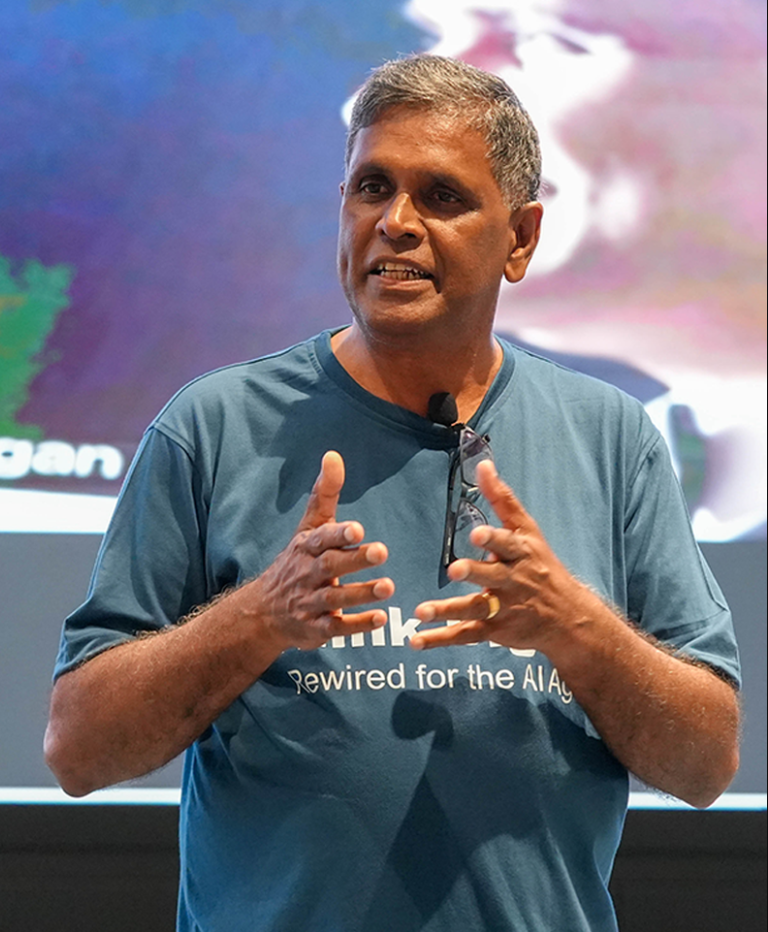
Logan’s Perspective
In my experience, the transition from access to capability is one of the most important challenges in AI education. It is not enough to put AI tools in front of students. We need to help both students and educators understand how to use them effectively, question their outputs and make responsible decisions about when AI should, and should not, be used.
Preparing Schools for an AI-Driven Future
To become future-ready, schools need to place capability at the centre of their approach to AI.
This involves more than teaching students how to operate a particular tool. Students need AI literacy, critical thinking, ethical awareness and opportunities to apply their judgement to real problems.
The educational strategy should focus on real-world applications of AI, allowing students to explore problems and develop solutions using AI as a tool rather than a crutch. The integration of AI should enhance, not replace, human creativity and decision-making.
Schools also need clear expectations around appropriate AI use, privacy, verification, transparency and situations where human judgement remains essential.
This change will require collaboration between policymakers, educators and technology specialists. Frameworks such as UNESCO’s AI Competency Framework for Students and the OECD Skills Outlook 2025 provide useful guidance for developing the adaptable, human-centred capabilities students will need in a changing world.
Balancing Technology and Human Skills
While the appeal of AI can be strong, technological capability needs to develop alongside core human skills. Schools should create environments where AI complements human abilities rather than overshadowing them.
AI should be seen as a tool that augments learning, not as a replacement for judgement, creativity, communication and ethical reasoning. By fostering these skills, schools can better prepare students to navigate both the opportunities and challenges AI presents.
An educational shift away from excessive dependence on rote learning and memorisation towards critical inquiry and problem-solving can help students prepare for a world where information is increasingly easy to generate.
The question is no longer simply whether a student can produce an answer.
It is whether they can understand it, question it, verify it and explain the reasoning behind it.
The Role of Teachers in Developing AI Capability
Teachers play a pivotal role in this transition. Their ability to guide students in exploring AI technologies safely and responsibly is essential.
UNESCO’s AI Competency Framework for Teachers highlights the need for teachers to develop capabilities across areas including human-centred AI use, ethics, AI foundations, AI pedagogy and professional learning.
Professional development is therefore important. Teachers do not need to become AI engineers, but they do need enough knowledge and confidence to make informed decisions about how AI fits into teaching and learning.
This includes understanding issues such as privacy, data security, appropriate use, verification and the ethical implications of AI.
Teachers also need support in deciding when AI adds genuine educational value and when it might undermine the learning objective.
Their role remains central.
AI may change the tools available in the classroom, but teachers continue to provide context, judgement and the human guidance students need.
Future Ready: Small Steps, Big Dreams
As we look to the future, small steps in developing AI capability can lead to meaningful progress.
This philosophy sits at the heart of FUTURE READY™ — Small Steps. Big Dreams., which explores how students, parents and educators can prepare for an AI-shaped future without losing the curiosity, character and human skills that matter.
The English edition is available now, with Sinhala and Tamil editions currently in translation.
The focus is on incremental progress, taking manageable steps that build capability over time.
By prioritising capability alongside access, schools can better prepare students for a future they cannot fully predict, equipping them with the mindset and skills needed to navigate change with confidence.
Next Steps: Building a Sustainable AI Education Model
The journey towards an AI-capable education system is ongoing, and the next step is building models that can adapt as technology evolves.
This requires collaboration between educational institutions, governments, educators and technology providers to create frameworks that support continuous learning and responsible use.
Access to useful AI tools can support this process, but technology alone is not enough.
Schools also need clear policies, teacher development, appropriate safeguards and learning approaches that continue to strengthen human capability.
As AI continues to evolve, an adaptable education system will be crucial.
Schools need to manage the dual challenge of introducing useful technology while continuing to nurture human capability.
By focusing on both, education systems can help students become technologically capable while retaining the critical thinking and ethical judgement needed to use that technology well.
Human Judgement at the Forefront of AI Education
As AI becomes more common in learning, maintaining a focus on human judgement and ethical considerations becomes increasingly important.
Students should not simply learn how to generate an answer.
They should learn how to evaluate AI outputs, understand their limitations and consider their implications.
Human judgement requires students to question, critique and synthesise information rather than simply accept what an AI system produces.
This also supports a mindset of lifelong learning and adaptability.
The OECD Skills Outlook 2025 highlights the importance of capabilities such as adaptive problem-solving and continued learning as people navigate increasingly dynamic environments.
By embedding these principles into education, schools can help future generations navigate AI thoughtfully, make informed decisions and contribute to society in meaningful ways.
Frequently Asked Questions
Why is capability more important than access in AI education?
Access alone does not guarantee that students know how to use AI effectively. Capability means understanding how to question AI outputs, verify information, recognise limitations and use the technology responsibly while continuing to develop independent thinking.
Does access to AI no longer matter?
Access still matters. Connectivity, devices, affordability, language and infrastructure continue to affect who can benefit from AI. But for students and schools that already have access, developing the capability to use AI well becomes the next challenge.
How can schools prepare for an AI-driven future?
Schools can prepare by developing AI literacy, strengthening critical thinking, establishing clear expectations for responsible use and ensuring teachers have the confidence and training to guide students effectively.
What role do teachers play in AI education?
Teachers are essential in helping students use AI safely and meaningfully. They provide context, encourage questioning, support verification and help students understand when AI supports learning and when it may interfere with the learning process.
What does AI capability mean for students?
AI capability means more than knowing how to prompt a tool. It includes understanding AI’s strengths and limitations, protecting personal information, questioning outputs, verifying important claims, applying human judgement and taking responsibility for how AI is used.
With over 40 years of international experience across computing, telecommunications, digital strategy, and AI enablement, Logan Nathan mentors students and advises institutions worldwide on thriving in the intelligence era.